Shoes for Flat Feet

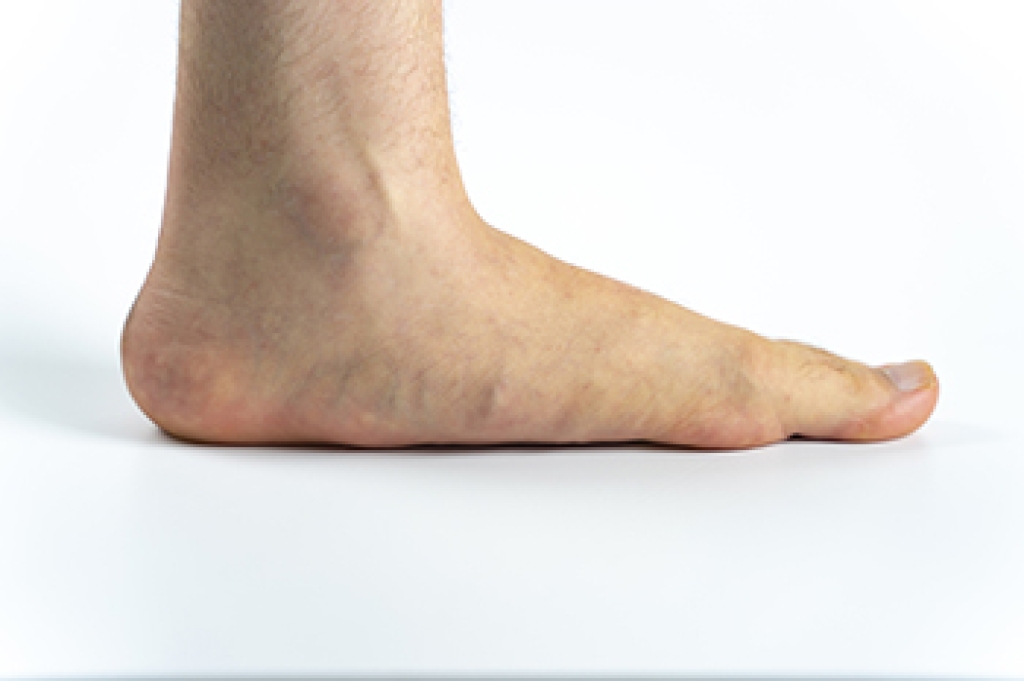
Flat feet occur when the arches along the inside of the feet are low or do not develop fully, causing much of the sole to touch the ground when standing. Some people have flat feet without discomfort, while others experience aching in the arches or pain around the heels and ankles. Flat feet may develop during childhood or appear later because of aging, injuries, or changes in the tendons supporting the arches. Risk factors include family history, excess body weight, and prolonged standing. Choosing appropriate footwear can help improve comfort, support natural movement, and reduce unnecessary strain during everyday activities.

When shopping for shoes for flat feet, look for designs that provide stable support without restricting natural foot movement. A supportive midsole can help distribute pressure more evenly, while a firm heel counter may improve stability around the back of the foot. Shoes should bend comfortably near the toes but should not twist excessively through the middle. Good arch support may also help reduce discomfort during walking or standing. However, the ideal level of support depends on your foot structure and symptoms. Shoes that feel comfortable and stable are generally a better choice than footwear selected by appearance alone.

A wide-fit shoe can provide extra room for the forefoot, allowing the toes to spread naturally without rubbing against the sides. Avoid narrow or pointed-toe shoes because they may squeeze the toes and increase pressure across the front of the foot. When trying on footwear, check that your longest toe has enough space and that your heel does not slip excessively. Shop later in the day when feet may be slightly larger, and wear the socks you usually use. Walk around before purchasing to make sure the shoes feel comfortable without pinching or creating pressure points.

If flat feet cause ongoing discomfort, a podiatrist can examine your arches, assess your walking pattern, and check for areas of tenderness or abnormal pressure. Treatment may include footwear recommendations, stretching guidance, or custom orthotics designed to support your feet. The podiatrist may also recommend imaging tests when an injury or structural problem needs further investigation. Early assessment helps identify contributing factors and prevent symptoms from interfering with daily activities. With suitable footwear and individualized care, many people with flat feet can remain comfortable and active. If you have flat feet, it is suggested that you consult a podiatrist for appropriate footwear choices.  

Getting the right shoe size is an important part of proper foot health. Seek the assistance of one of our podiatrists from Kokomo Foot & Ankle Center. Our doctors will provide the care you need to keep you pain-free and on your feet.

Getting the Right Shoe Size

There are many people who wear shoes that are the incorrect size, negatively affecting their feet and posture. Selecting the right shoes is not a difficult process, so long as you keep several things in mind when it comes to choosing the right pair.

  • When visiting the shoe store, use the tools available to measure your foot.
  • Be sure there is ‘wiggle room’. There should be about an inch between your toes and the tip of your shoes.
  • Do not always assume you are the same size, as manufacturers run differently.
  • Purchase shoes later in the day, as your feet swell as the day progresses.
  • If a shoe is not comfortable, it is not suitable. Most shoes can’t be ‘broken in’, and comfort should be the ultimate goal when it comes to choosing the right pair of shoes

As our feet hold our body weight and keep us moving, it is important to treat them right. Picking the right pair of shoes can provide your feet comfort and mobility without pain.

If you have any questions, please feel free to contact our office located in Contact Us . We offer the newest diagnostic and treatment technologies for all your foot care needs.

Read more about How to Get a Proper Shoe Fit

Athlete’s Foot Symptoms and Causes

Athlete’s foot is a fungal infection that affects the skin of the feet, especially between the toes and along the soles. It develops when fungi grow in warm, moist environments, making sweaty shoes and damp socks ideal conditions for infection. Although the condition is often associated with athletes, anyone can develop athlete’s foot. The infection may begin with mild irritation, but can become uncomfortable without proper care. Recognizing the early signs and understanding what causes athlete’s foot can help you seek podiatric treatment before the infection spreads or becomes more difficult to manage.

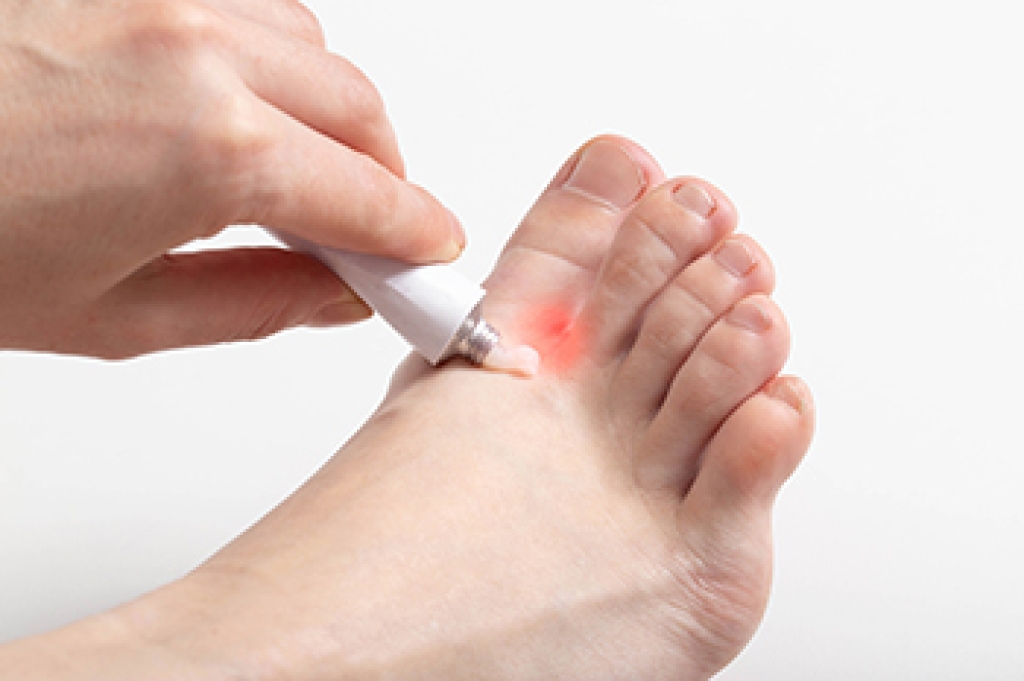
Athlete’s foot symptoms vary depending on the affected area and severity of the infection. Common signs include itching between the toes, burning sensations, and peeling skin. Some people develop redness or small cracks that make walking uncomfortable. In other cases, the skin becomes dry and scaly along the soles or sides of the feet. Blisters may also appear, particularly during more severe outbreaks. Because the skin can crack, bacteria may enter through these openings and cause additional infection. If redness spreads, swelling develops, or the foot becomes increasingly painful, prompt medical evaluation is important. This is especially true for people with diabetes or circulation problems.


Several risk factors increase the likelihood of developing athlete’s foot. Wearing tight shoes that trap moisture can encourage fungal growth. Walking barefoot in shared showers or locker rooms increases exposure to infectious fungi. Sweating heavily and leaving feet damp after bathing can also contribute. Sharing towels or footwear with someone who has been infected may spread the fungus. People with previous fungal infections may experience repeated outbreaks, particularly when their feet remain warm and moist for long periods. Keeping feet clean and dry, changing socks regularly, and wearing shower shoes in communal areas can help reduce the risk of infection.


A podiatrist can diagnose athlete’s foot by examining the affected skin and reviewing your symptoms. When necessary, a small skin scraping may be examined to confirm the presence of fungus and rule out other skin conditions. Treatment may include prescription antifungal creams or oral medication when the infection is severe or persistent. Your podiatrist may also recommend keeping the feet dry, changing footwear habits, and cleaning shoes to reduce reinfection. Avoid scratching affected areas because damaged skin can increase the risk of complications. Early treatment relieves discomfort and helps prevent the infection from spreading to toenails or other areas. If you have symptoms of athlete’s foot, it is suggested that you consult a podiatrist for effective relief and treatment tips, which may include prescribed medication. 

Athlete’s Foot

Athlete’s foot is often an uncomfortable condition to experience. Thankfully, podiatrists specialize in treating athlete’s foot and offer the best treatment options. If you have any questions about athlete’s foot, consult with one of our podiatrists from Kokomo Foot & Ankle Center. Our doctors will assess your condition and provide you with quality treatment.

What Is Athlete’s Foot?

Tinea pedis, more commonly known as athlete’s foot, is a non-serious and common fungal infection of the foot. Athlete’s foot is contagious and can be contracted by touching someone who has it or infected surfaces. The most common places contaminated by it are public showers, locker rooms, and swimming pools. Once contracted, it grows on feet that are left inside moist, dark, and warm shoes and socks.

Prevention

The most effective ways to prevent athlete’s foot include:

  • Thoroughly washing and drying feet
  • Avoid going barefoot in locker rooms and public showers
  • Using shower shoes in public showers
  • Wearing socks that allow the feet to breathe
  • Changing socks and shoes frequently if you sweat a lot

Symptoms

Athlete’s foot initially occurs as a rash between the toes. However, if left undiagnosed, it can spread to the sides and bottom of the feet, toenails, and if touched by hand, the hands themselves. Symptoms include:

  • Redness
  • Burning
  • Itching
  • Scaly and peeling skin

Diagnosis and Treatment

Diagnosis is quick and easy. Skin samples will be taken and either viewed under a microscope or sent to a lab for testing. Sometimes, a podiatrist can diagnose it based on simply looking at it. Once confirmed, treatment options include oral and topical antifungal medications.

If you have any questions, please feel free to contact our office located in Contact Us . We offer the newest diagnostic and treatment technologies for all your foot care needs.
Read more about How to Deal with Athlete's Foot

Choosing the Right Running Shoes for Marathon Training

Choosing the right running shoes for a marathon can help protect your feet and keep you comfortable over long distances. The best marathon running shoes fit well, provide suitable cushioning, and hold your feet securely without feeling tight. Shoes that do not match your foot shape or running style may contribute to blisters, heel pain, or soreness around the toes. Since marathon training places repeated stress on your feet, selecting appropriate footwear is an essential part of preparing for race day.

Comfort should be your first priority when trying on running shoes. Look for enough room to wiggle your toes, with a secure fit around the heel and midfoot. Your toes should not press against the front of the shoe, especially when running downhill. Cushioning should feel supportive rather than unstable, while shoe weight should suit your needs and running pace. Try on shoes later in the day, when your feet may be slightly larger, and wear the socks you plan to use during training.


Wearing the wrong running shoes can increase pressure and friction, leading to blisters or painful calluses. Poor support may also aggravate existing problems, including plantar fasciitis, an irritation of the broad band of tissue under the foot. Risk factors include worn-out soles, incorrect sizing, and suddenly increasing mileage. Replace shoes when cushioning or tread shows significant wear, and test new footwear during shorter runs before using it for long-distance training. Avoid choosing shoes based only on appearance or recommendations that do not account for your individual needs.


If foot pain occurs despite changing shoes and adjusting your training, a podiatrist helps identify the cause. The examination may include checking your gait, foot structure, and pressure points. Depending on the findings, treatment may involve footwear changes, custom orthotics, or other appropriate care. Addressing discomfort early helps you train more safely. If running shoes cause persistent foot pain, it is suggested that you consult a podiatrist for effective relief tips and additional guidance on choosing the right running shoes. 

For more information about walking shoes versus running shoes, consult with one of our podiatrists from Kokomo Foot & Ankle Center. Our doctors can measure your feet to determine what your needs are and help you find an appropriate pair of footwear.

Foot Health: The Differences between Walking & Running Shoes

There are great ways to stay in shape: running and walking are two great exercises to a healthy lifestyle. It is important to know that running shoes and walking shoes are not interchangeable. There is a key difference on how the feet hit the ground when someone is running or walking. This is why one should be aware that a shoe is designed differently for each activity.

You may be asking yourself what the real differences are between walking and running shoes and the answers may shock you.

Differences

Walking doesn’t involve as much stress or impact on the feet as running does. However, this doesn’t mean that you should be any less prepared. When you’re walking, you land on your heels and have your foot roll forward. This rolling motion requires additional support to the feet.

Flexibility – Walking shoes are designed to have soft, flexible soles. This allows the walker to push off easily with each step.

If you have any questions, please feel free to contact our office located in Contact Us . We offer the newest diagnostic and treatment technologies for all your foot care needs.
Read more about Choosing the Right Running Shoe for Your Foot Type

When Bunion Surgery Becomes the Right Treatment

Bunion treatment starts with understanding why the joint at the base of the big toe hurts. A bunion develops when the bones shift out of alignment, creating a bump along the inner side of the foot. Pressure from shoes irritates this area, while changes in joint position affect movement. A podiatrist examines the foot and checks how the big toe moves. X-rays help show the alignment of the bones and reveal if arthritis is present. Treatment depends on pain levels, joint damage, and limitations in daily activities. A visible bump alone does not mean surgery is necessary. Many patients find relief through treatments that reduce pressure without changing bone alignment.

Non-surgical treatment focuses on making the foot more comfortable. A podiatrist recommends shoes with enough room around the toes and evaluates whether the fit places pressure on the bunion. Protective padding cushions irritated skin. Properly-fitted toe spacers reduce rubbing between neighboring toes. Custom orthotics are prescription shoe inserts that redistribute pressure and support the foot. They help patients whose foot mechanics contribute to bunion pain. These treatments do not permanently straighten the bones or remove the bunion. Follow-up visits allow the podiatrist to assess relief and adjust the treatment plan. Persistent redness or skin breakdown also requires attention.

Bunion surgery becomes an option when pain continues despite nonsurgical treatment or interferes with everyday activities. One approach involves cutting and repositioning a bone, then securing it with screws. Another procedure corrects alignment by joining bones at a joint farther back in the foot. When arthritis affects the big toe joint, joining its bones relieves pain by stopping movement there. A podiatrist explains which procedure suits the foot and discusses recovery requirements. Risks include infection, delayed bone healing, and return of the bunion. Recovery varies with the procedure and the patient's health. If you have a painful bunion, it is suggested that you schedule an appointment with a podiatrist who can determine if bunion surgery is right for you.

If you are suffering from bunions, contact one of our podiatrists of Kokomo Foot & Ankle Center. Our doctors can provide the care you need to keep you pain-free and on your feet.

What Is a Bunion?

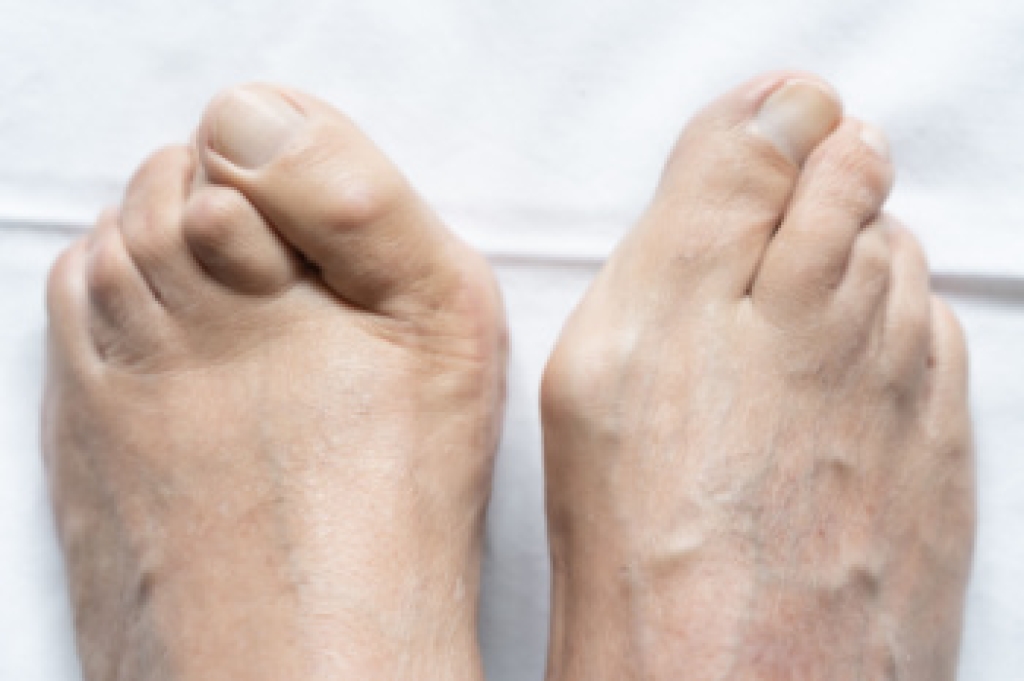
A bunion is formed of swollen tissue or an enlargement of boney growth, usually located at the base joint of the toe that connects to the foot. The swelling occurs due to the bones in the big toe shifting inward, which impacts the other toes of the foot. This causes the area around the base of the big toe to become inflamed and painful.

Why Do Bunions Form?

Genetics – Susceptibility to bunions are often hereditary

Stress on the feet – Poorly fitted and uncomfortable footwear that places stress on feet, such as heels, can worsen existing bunions

How Are Bunions Diagnosed?

Podiatrists often perform two tests – blood tests and x-rays – when trying to diagnose bunions, especially in the early stages of development. Blood tests help determine if the foot pain is being caused by something else, such as arthritis, while x-rays provide a clear picture of your bone structure to your provider.

How Are Bunions Treated?

  • Refrain from wearing heels or similar shoes that cause discomfort
  • Select wider shoes that can provide more comfort and reduce pain
  • Anti-inflammatory and pain management drugs
  • Orthotics or foot inserts
  • Surgery

If you have any questions, please feel free to contact our office located in Contact Us . We offer the newest diagnostic and treatment technologies for all your foot care needs.

Read more about Bunions

Keep Your Feet Healthy So You Can Stay Active

Have your feet inspected by a professional before starting a new sport or physical activity. Taking charge of your foot health will keep you in good physical condition and can help you avoid a potential injury, such as a fracture or sprained ankle.

Prevent injuries and see a foot specialist.

Connect With Us