
If left untreated, an ingrown toenail can lead to more serious concerns, such as an infection. Knowing proper nail care can help in the prevention of an ingrown toenail. Give us a call, and get treated!
If left untreated, an ingrown toenail can lead to more serious concerns, such as an infection. Knowing proper nail care can help in the prevention of an ingrown toenail. Give us a call, and get treated!
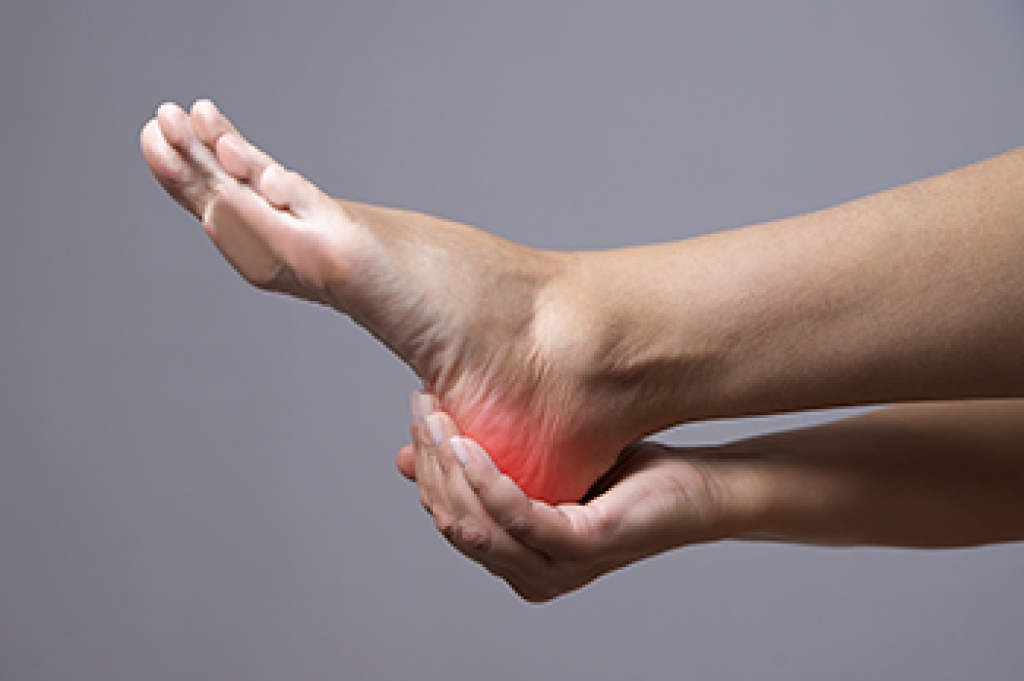
Heel bursitis causes pain and swelling at the back of the heel. A bursa is a small fluid filled cushion that helps reduce rubbing between bones and soft tissue. When this cushion becomes irritated, it fills with extra fluid and becomes painful. Heel bursitis often develops from shoes that press or rub against the back of the heel, especially stiff or tight shoes. It can also occur after a sudden increase in walking, time spent on hills, or other forms of exercise. Common signs include tenderness, redness, warmth, and a soft swollen area near the heel. Pain may be worse when wearing shoes or after periods of rest. Although the problem may start mildly, it can worsen if ignored, and interfere with daily movement. If heel swelling or pain continues or limits activity, it is suggested that you see a podiatrist for a proper diagnosis and appropriate treatment.
Many people suffer from bouts of heel pain. For more information, contact one of our podiatrists of Kokomo Foot & Ankle Center. Our doctors can provide the care you need to keep you pain-free and on your feet.
Causes of Heel Pain
Heel pain is often associated with plantar fasciitis. The plantar fascia is a band of tissues that extends along the bottom of the foot. A rip or tear in this ligament can cause inflammation of the tissue.
Achilles tendonitis is another cause of heel pain. Inflammation of the Achilles tendon will cause pain from fractures and muscle tearing. Lack of flexibility is also another symptom.
Heel spurs are another cause of pain. When the tissues of the plantar fascia undergo a great deal of stress, it can lead to ligament separation from the heel bone, causing heel spurs.
Why Might Heel Pain Occur?
Treatments
Heel pain should be treated as soon as possible for immediate results. Keeping your feet in a stress-free environment will help. If you suffer from Achilles tendonitis or plantar fasciitis, applying ice will reduce the swelling. Stretching before an exercise like running will help the muscles. Using all these tips will help make heel pain a condition of the past.
If you have any questions, please feel free to contact our office located in Contact Us . We offer the newest diagnostic and treatment technologies for all your foot care needs.
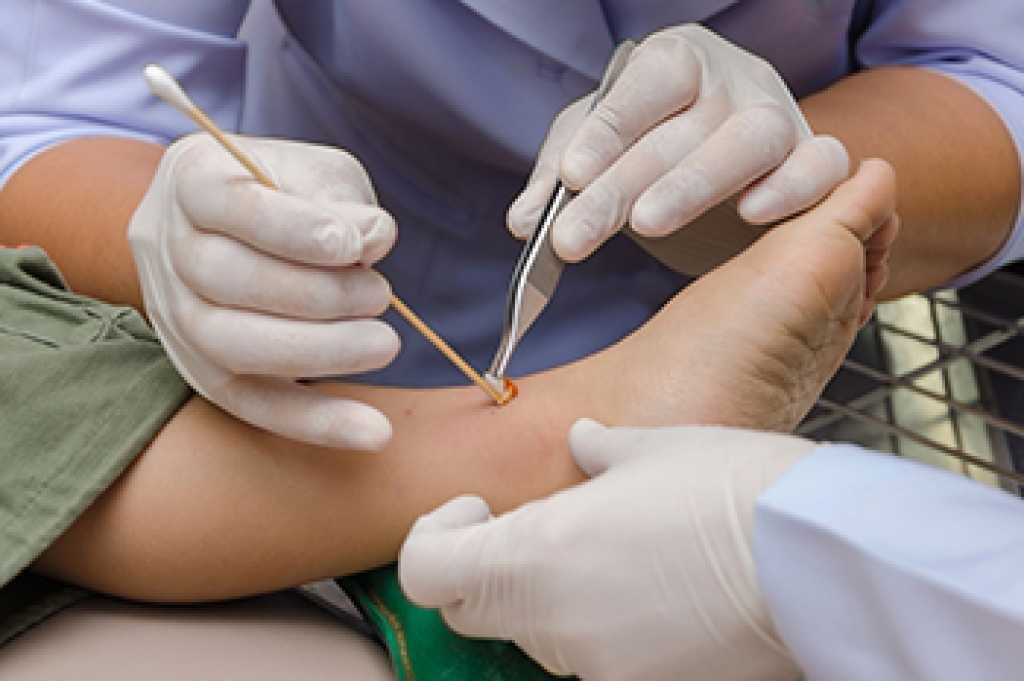
An ankle ulcer is an open sore that forms when the skin and deeper tissue break down and cannot repair themselves, often due to circulation problems, diabetes, or long-term pressure on the area. These wounds usually appear on the inner or outer ankle, and may start as a small patch of irritated skin before slowly opening into a moist or dry sore. The edges can look red, dark, or swollen, and some ulcers may drain or feel tender when touched or rubbed by shoes. Because the ankle has limited soft tissue and is exposed to constant movement, healing can be slow without proper care. A podiatrist can evaluate blood flow, clean and protect the wound, select dressings that support healing, and identify any factors that delay recovery. If your ankle wound is not improving or begins to cause more discomfort, it is suggested you see a podiatrist for effective treatment solutions.
Wound care is an important part in dealing with diabetes. If you have diabetes and a foot wound or would like more information about wound care for diabetics, consult with one of our podiatrists from Kokomo Foot & Ankle Center. Our doctors will assess your condition and provide you with quality foot and ankle treatment.
What Is Wound Care?
Wound care is the practice of taking proper care of a wound. This can range from the smallest to the largest of wounds. While everyone can benefit from proper wound care, it is much more important for diabetics. Diabetics often suffer from poor blood circulation which causes wounds to heal much slower than they would in a non-diabetic.
What Is the Importance of Wound Care?
While it may not seem apparent with small ulcers on the foot, for diabetics, any size ulcer can become infected. Diabetics often also suffer from neuropathy, or nerve loss. This means they might not even feel when they have an ulcer on their foot. If the wound becomes severely infected, amputation may be necessary. Therefore, it is of the upmost importance to properly care for any and all foot wounds.
How to Care for Wounds
The best way to care for foot wounds is to prevent them. For diabetics, this means daily inspections of the feet for any signs of abnormalities or ulcers. It is also recommended to see a podiatrist several times a year for a foot inspection. If you do have an ulcer, run the wound under water to clear dirt from the wound; then apply antibiotic ointment to the wound and cover with a bandage. Bandages should be changed daily and keeping pressure off the wound is smart. It is advised to see a podiatrist, who can keep an eye on it.
If you have any questions please contact our office located in Contact Us . We offer the newest diagnostic and treatment technologies for all your foot and ankle needs.
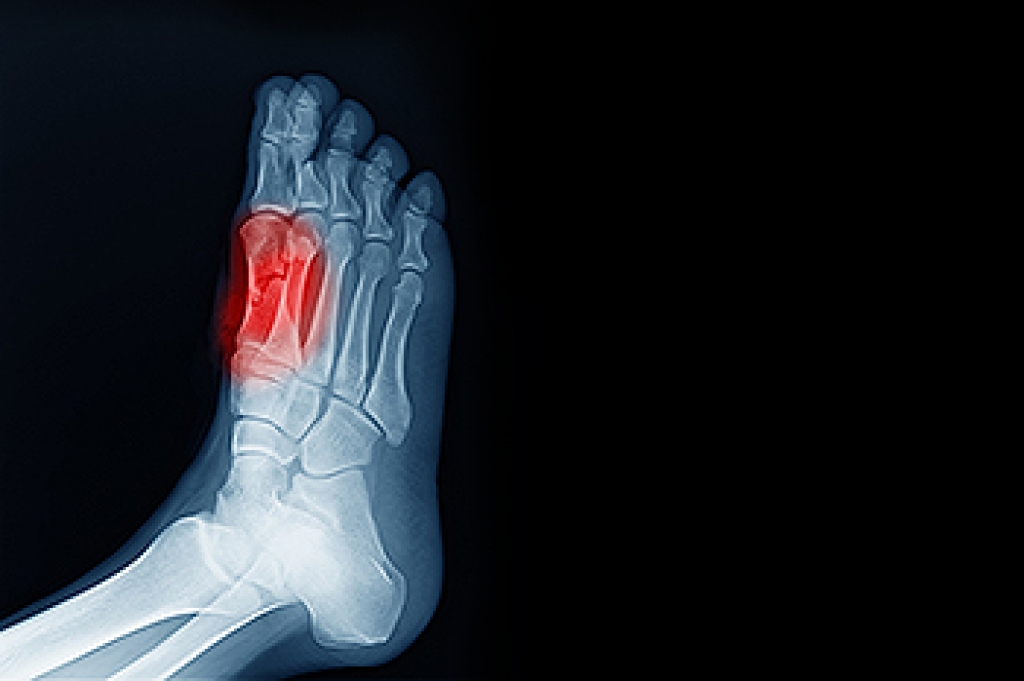
Sesamoiditis is a painful condition that affects the small sesamoid bones located beneath the big toe joint. These tiny bones act like pulleys, helping the tendons function smoothly during activities such as walking, running, and pushing off the ground. When the surrounding tissues become inflamed from overuse, repetitive impact, wearing high heeled shoes, or increased athletic activity, pain develops under the big toe and can make every step uncomfortable. The discomfort often worsens during weightbearing activities and may be accompanied by swelling or tenderness in the ball of the foot. A podiatrist can diagnose sesamoiditis through a physical exam and imaging, then recommend treatments that reduce pressure on the area. Care may include activity modification, offloading pads, custom orthotics, or supportive footwear. In more persistent cases, immobilization or other targeted therapies may be necessary. If you have pain under your big toe, it is suggested that you schedule an appointment with a podiatrist for a proper diagnosis and appropriate treatment.
Sesamoiditis is an unpleasant foot condition characterized by pain in the balls of the feet. If you think you’re struggling with sesamoiditis, contact one of our podiatrists of Kokomo Foot & Ankle Center. Our doctors will treat your condition thoroughly and effectively.
Sesamoiditis
Sesamoiditis is a condition of the foot that affects the ball of the foot. It is more common in younger people than it is in older people. It can also occur with people who have begun a new exercise program, since their bodies are adjusting to the new physical regimen. Pain may also be caused by the inflammation of tendons surrounding the bones. It is important to seek treatment in its early stages because if you ignore the pain, this condition can lead to more serious problems such as severe irritation and bone fractures.
Causes of Sesamoiditis
Treatment for sesamoiditis is non-invasive and simple. Doctors may recommend a strict rest period where the patient forgoes most physical activity. This will help give the patient time to heal their feet through limited activity. For serious cases, it is best to speak with your doctor to determine a treatment option that will help your specific needs.
If you have any questions, please feel free to contact our office located in Contact Us . We offer the newest diagnostic and treatment technologies for all your foot care needs.
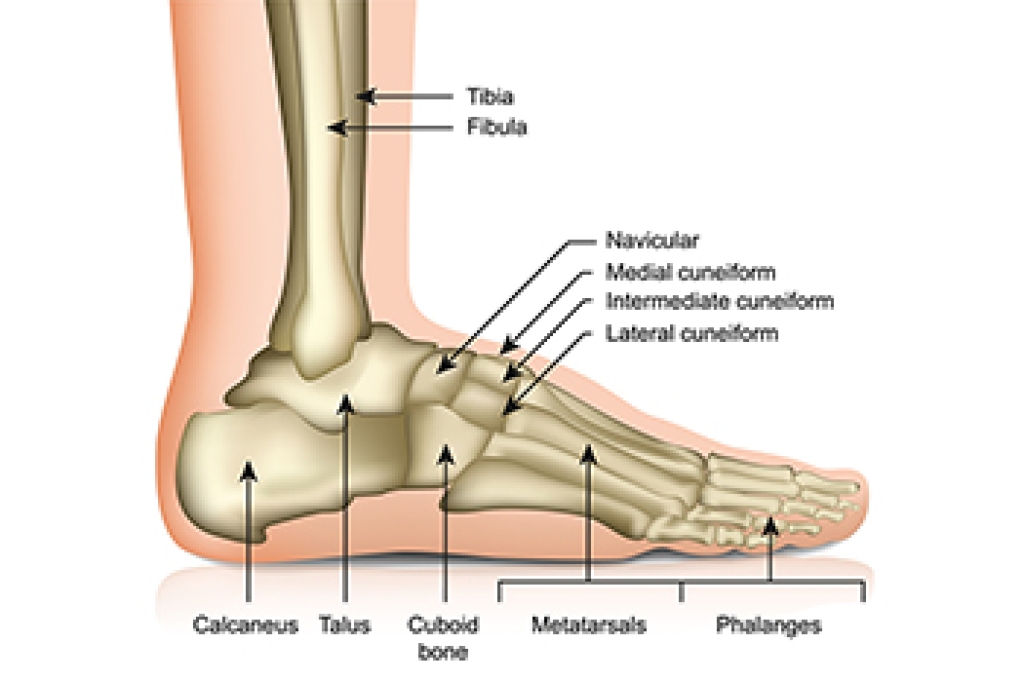
The ankle joint is a complex structure that allows the foot to move while supporting body weight and maintaining balance. It is formed by the meeting of the lower leg bones with the foot, creating a stable yet flexible joint. Surrounding muscles and tendons help control movement and absorb shock during walking and running. Strong ligaments connect the bones and provide stability, preventing excessive motion that could lead to injury. These ligaments play a key role in protecting the ankle during daily activities and sports. When the ankle joint is injured or stressed, pain, swelling, and instability may occur. A podiatrist can help by evaluating ankle anatomy and function, diagnosing ligament or joint problems, and creating a treatment plan to restore strength and mobility. If you have sustained an ankle injury, it is suggested that you consult a podiatrist who can offer effective relief and treatment solutions.
If you have any concerns about your feet, contact one of our podiatrists from Kokomo Foot & Ankle Center. Our doctors can provide the care you need to keep you pain-free and on your feet.
Biomechanics in Podiatry
Podiatric biomechanics is a particular sector of specialty podiatry with licensed practitioners who are trained to diagnose and treat conditions affecting the foot, ankle and lower leg. Biomechanics deals with the forces that act against the body, causing an interference with the biological structures. It focuses on the movement of the ankle, the foot and the forces that interact with them.
A History of Biomechanics
Modern technological improvements are based on past theories and therapeutic processes that provide a better understanding of podiatric concepts for biomechanics. Computers can provide accurate information about the forces and patterns of the feet and lower legs.
Understanding biomechanics of the feet can help improve and eliminate pain, stopping further stress to the foot.
If you have any questions please feel free to contact our office located in Contact Us . We offer the newest diagnostic and treatment technologies for all your foot and ankle needs.
Connect With Us
