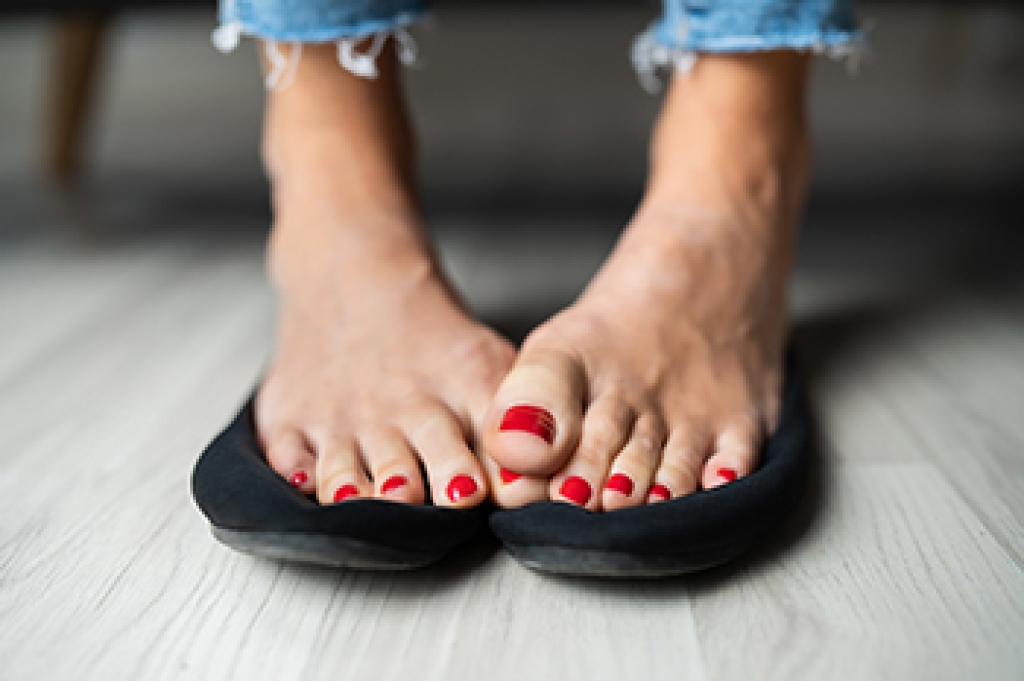
Excessive Foot Sweat

Focal hyperhidrosis is when the palms of the hands or soles of the feet sweat excessively. This condition can be inherited, be due to an underlying health problem (such as menopause, obesity, or diabetes), be a side effect of medications, or have no known cause. Though not serious itself, hyperhidrosis can lead to other uncomfortable skin problems or infections and can cause anxiety and embarrassment. This condition usually starts in adolescence. Clammy or wet soles of the feet can be reduced by wearing footwear made of natural materials, like leather, wearing moisture absorbing socks, and using foot antiperspirants.  People who suffer from hyperhidrosis may be afraid to seek help or may not know that several other treatment options exist. Consulting with a podiatrist will help you identify if there is a possible underlying cause for this problem, and to assist you with obtaining a more effective treatment plan.

If you are suffering from hyperhidrosis contact one of our podiatrists of Kokomo Foot & Ankle Center. Our doctors can provide the care you need to attend to all of your foot and ankle needs.

Hyperhidrosis of the Feet

Hyperhidrosis is a rare disorder that can cause people to have excessive sweating of their feet. This can usually occur all on its own without rigorous activity involved. People who suffer from hyperhidrosis may also experience sweaty palms.

Although it is said that sweating is a healthy process meant to cool down the body temperature and to maintain a proper internal temperature, hyperhidrosis may prove to be a huge hindrance on a person’s everyday life.

Plantar hyperhidrosis is considered to be the main form of hyperhidrosis. Secondary hyperhidrosis can refer to sweating that occurs in areas other than the feet or hands and armpits. Often this may be a sign of it being related to another medical condition such as menopause, hyperthyroidism and even Parkinson’s disease.

In order to alleviate this condition, it is important to see your doctor so that they may prescribe the necessary medications so that you can begin to live a normal life again. If this is left untreated, it is said that it will persist throughout an individual’s life.

A last resort approach would be surgery, but it is best to speak with your doctor to find out what may be the best treatment for you.

If you have any questions, please feel free to contact our office located in Contact Us . We offer the newest diagnostic and treatment technologies for all your foot care needs.
Read more about Hyperhidrosis of the Feet

Who Is Prone to Getting Sesamoiditis?

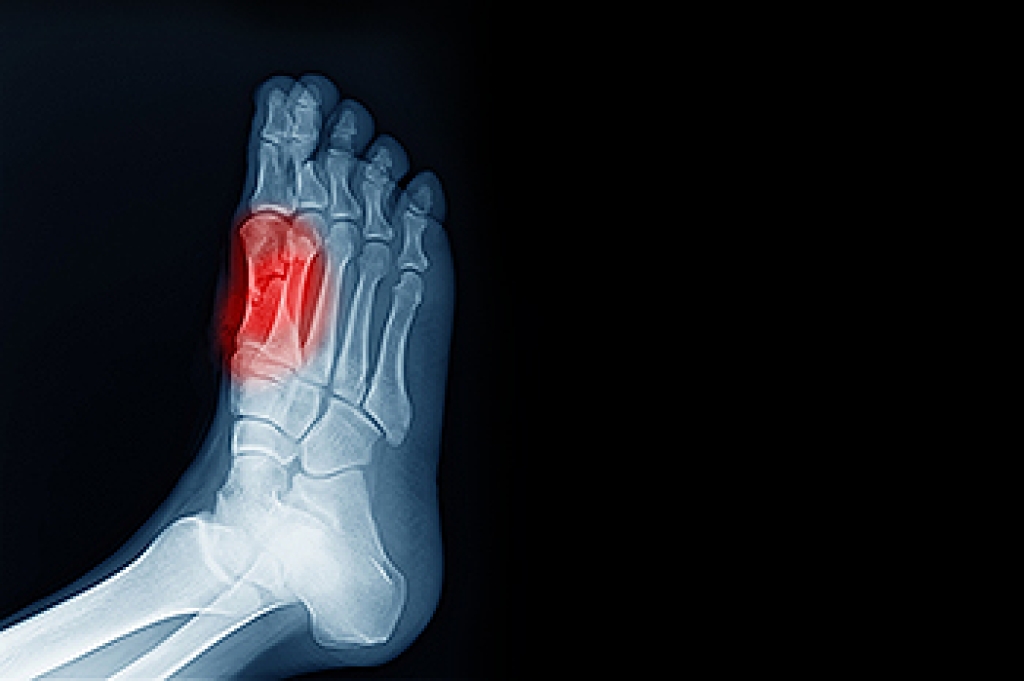
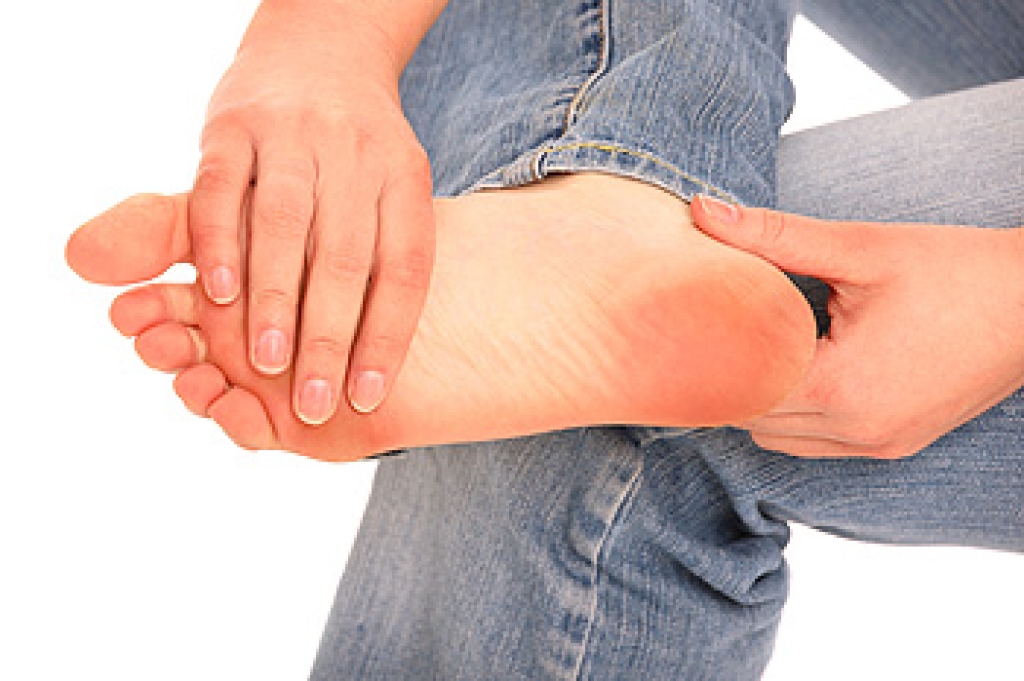
The two small bones in the ball of the foot under the joint of the big toe are referred to as the sesamoid bones. One is located on the outside of the foot, and the other is located closer to the center of the foot. Sesamoiditis occurs when the tissue that surrounds the sesamoid bones becomes inflamed and irritated. Sesamoiditis is considered to be a form of tendonitis, and can cause severe pain and discomfort. This generally happens from overuse and repeated pressure that is placed on the forefoot. The sesamoid bones absorb impact, and are responsible for helping the big toe move up and down during activity. Some of the symptoms that are associated with sesamoiditis can include foot pain that does not diminish, and the big toe may become stiff. People with increased chances of developing sesamoiditis include dancers, runners, and women who wear high heels. Effective treatment can begin with stopping the activity that caused this condition, resting the affected foot as often as possible, and possibly taping the big toe. If you have this ailment, it is strongly advised that you are under the care of a podiatrist who can help you with treatment options that are right for you.

Sesamoiditis is an unpleasant foot condition characterized by pain in the balls of the feet. If you think you’re struggling with sesamoiditis, contact one of our podiatrists of Kokomo Foot & Ankle Center. Our doctors will treat your condition thoroughly and effectively.

Sesamoiditis

Sesamoiditis is a condition of the foot that affects the ball of the foot. It is more common in younger people than it is in older people. It can also occur with people who have begun a new exercise program, since their bodies are adjusting to the new physical regimen. Pain may also be caused by the inflammation of tendons surrounding the bones. It is important to seek treatment in its early stages because if you ignore the pain, this condition can lead to more serious problems such as severe irritation and bone fractures.

Causes of Sesamoiditis

  • Sudden increase in activity
  • Increase in physically strenuous movement without a proper warm up or build up
  • Foot structure: those who have smaller, bonier feet or those with a high arch may be more susceptible

Treatment for sesamoiditis is non-invasive and simple. Doctors may recommend a strict rest period where the patient forgoes most physical activity. This will help give the patient time to heal their feet through limited activity. For serious cases, it is best to speak with your doctor to determine a treatment option that will help your specific needs.

If you have any questions, please feel free to contact our office located in Contact Us . We offer the newest diagnostic and treatment technologies for all your foot care needs.
Read more about Sesamoiditis

Can Bunions Be Prevented?

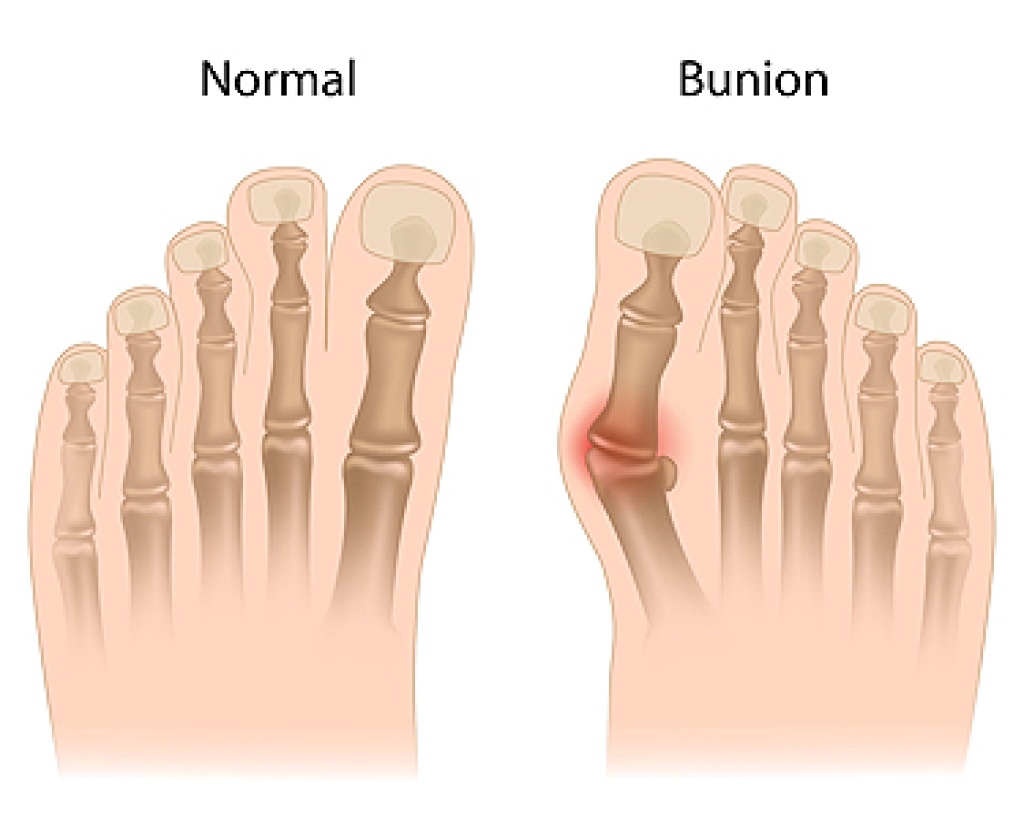
Women are more prone to developing bunions than men. This may be a result of wearing high heels or shoes that do not have adequate room in the toe area. A bunion appears as a bony lump on the side of the big toe and is considered to be a foot deformity. This protrusion causes the bone in the big toe to gradually move toward the other toes and can produce pain and discomfort. People who develop bunions may eventually get osteoarthritis in the big toe, which can be the source of chronic pain. Additionally, the risk of getting a bunion may increase in patients who have short calf muscles or a shortened Achilles tendon, and medical conditions such as rheumatoid arthritis and flat feet. Bunions may be prevented by wearing shoes that are comfortable and flat. It may help to frequently walk barefoot, which may be beneficial in strengthening the muscles in the overall foot. If you have developed a bunion, it is strongly suggested that you speak with a podiatrist who can provide you with correct treatment options, which may include surgery for permanent removal. 

If you are suffering from bunions, contact one of our podiatrists of Kokomo Foot & Ankle Center. Our doctors can provide the care you need to keep you pain-free and on your feet.

What Is a Bunion?

A bunion is formed of swollen tissue or an enlargement of boney growth, usually located at the base joint of the toe that connects to the foot. The swelling occurs due to the bones in the big toe shifting inward, which impacts the other toes of the foot. This causes the area around the base of the big toe to become inflamed and painful.

Why Do Bunions Form?

Genetics – Susceptibility to bunions are often hereditary

Stress on the feet – Poorly fitted and uncomfortable footwear that places stress on feet, such as heels, can worsen existing bunions

How Are Bunions Diagnosed?

Doctors often perform two tests – blood tests and x-rays – when trying to diagnose bunions, especially in the early stages of development. Blood tests help determine if the foot pain is being caused by something else, such as arthritis, while x-rays provide a clear picture of your bone structure to your doctor.

How Are Bunions Treated?

  • Refrain from wearing heels or similar shoes that cause discomfort
  • Select wider shoes that can provide more comfort and reduce pain
  • Anti-inflammatory and pain management drugs
  • Orthotics or foot inserts
  • Surgery

If you have any questions, please feel free to contact our office located in Contact Us . We offer the newest diagnostic and treatment technologies for all your foot care needs.

Read more about Bunions

How Lupus Can Affect the Feet

A person with lupus might experience swelling in the feet and ankles because the inflammation of lupus attacks the kidneys, which can lead to fluid build-up or edema of the lower extremities. Swelling can make movement uncomfortable, lead to pain, and become more serious if left untreated. Reducing sodium in the diet and controlling high blood pressure can help with swelling.  It is also wise to discuss medicines that can ease pain with a podiatrist. A podiatrist can provide valuable education on how Lupus affects the feet and assist in devising a customized treatment plan to control symptoms.

When dealing with systemic disease of the feet, it is extremely important to check the affected areas routinely so that any additional problems are caught quickly.  If you have any concerns about your feet and ankles contact one of our podiatrists from Kokomo Foot & Ankle Center. Our doctors will assist you with all of your podiatric needs.

Systemic Diseases of the Feet

Systemic diseases affect the whole body, and symptoms usually are displayed in the feet. This condition can make a patient’s ability to walk unbearable.  Systemic diseases include gout, diabetes mellitus, neurological disorders, and arthritis.

Gout – is caused by an excess of uric acid in the body. Common symptoms include pain, inflammation, and redness at the metatarsal/phalangeal joint of the base big toe. Gout can be treated by NSAIDs to relieve pain and inflammation, and other drugs that lower the acid levels in the body.

Diabetes mellitus – is an increase in the level of blood sugar that the body cannot counteract with its own insulin. Failure to produce enough insulin is a factor in Diabetes.

Diabetes of the Feet

Diabetic Neuropathy – may lead to damaged nerves and affect the feet through numbness and loss of sensation.

Peripheral Vascular Disease – can restrict the blood flow to the feet, and often times lead to amputation of the feet. 

If you have any questions please contact our office located in Contact Us . We offer the newest diagnostic and treatment technologies for all your foot and ankle needs.

Read more about Systemic Diseases of the Foot

Are You Suffering From Nerve Damage?

Neuropathy is a condition that can lead to numbness or loss of sensation in the feet, but it can also cause pain. This condition is more likely to develop for those who are diabetic, obese, or with high blood pressure.

Connect With Us