
If left untreated, an ingrown toenail can lead to more serious concerns, such as an infection. Knowing proper nail care can help in the prevention of an ingrown toenail. Give us a call, and get treated!
If left untreated, an ingrown toenail can lead to more serious concerns, such as an infection. Knowing proper nail care can help in the prevention of an ingrown toenail. Give us a call, and get treated!
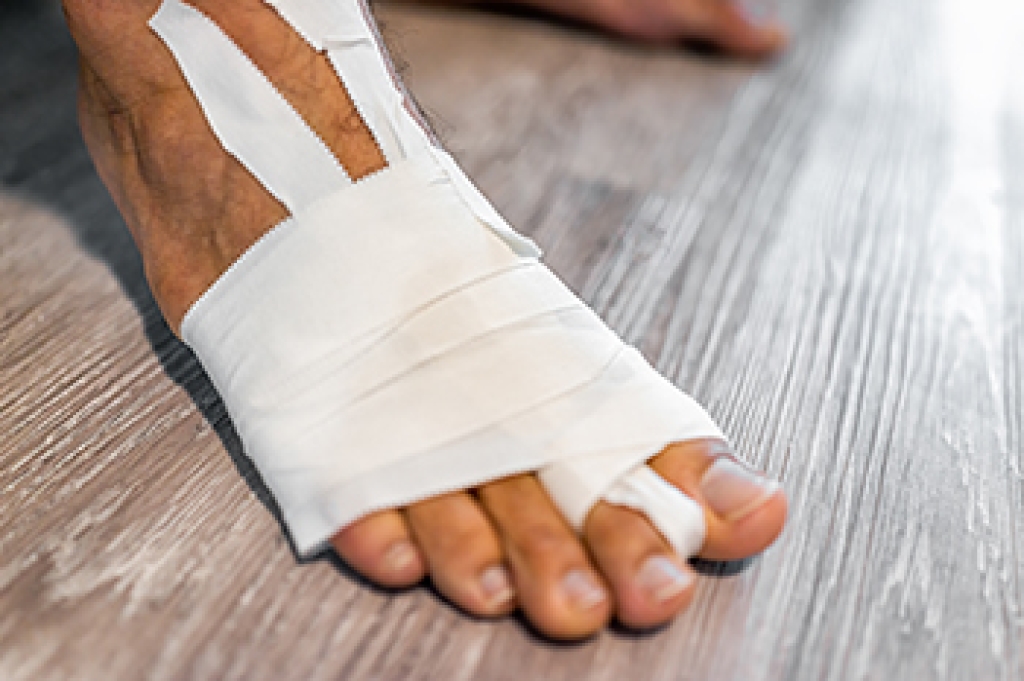
A condition commonly known as turf toe is a sprain of the ligaments on the underside of the joint of the big toe. It is common to football players and runners who push off the big toe in a burst of energy when preparing to run. It is also common among dancers, gymnasts, and wrestlers. The injury occurs when the big toe is bent more than 90 degrees as the heel is raised off the ground. Picture a runner who is ready to push off the ground in a race, or a football lineman waiting for the quarterback’s signal. The severity of the sprain will indicate the amount of pain involved. A mild sprain causes pain and swelling that can last a week or two. A moderate sprain may last more than a couple of weeks. A severe turf toe sprain involves a complete rupture of the ligament on the sole of the foot and is quite rare. This injury will take longer to heal. If you believe you have sustained a turf toe injury, it is a good idea to visit a podiatrist for immediate and thorough treatment.
Toe pain can disrupt your daily activities. If you have any concerns, contact one of our podiatrists of Kokomo Foot & Ankle Center. Our doctors can provide the care you need to keep you pain-free and on your feet.
What Causes Toe Pain?
Most severe toe pain is caused due to a sports injury, trauma from dropping something heavy on the toe, or bumping into something rigid. Other problems can develop over time for various reasons.
Toe pain can be caused by one or more ailments. The most common include:
When to See a Podiatrist
Diagnosis
In many cases the cause of toe pain is obvious, but in others, a podiatrist may want to use more advanced methods to determine the problem. These can range from simple visual inspections and sensation tests to X-rays and MRI scans. Prior medical history, family medical history, and any recent physical traumatic events will all be taken into consideration for a proper diagnosis.
Treatment
Treatments for toe pain and injuries vary and may include shoe inserts, padding, taping, medicines, injections, and in some cases, surgery. If you believe that you have broken a toe, please see a podiatrist as soon as possible.
If you have any questions please contact our office located in Contact Us . We offer the newest diagnostic and treatment technologies for all your foot and ankle needs.

Senior citizens can sometimes be more likely to develop afflictions of the foot than younger individuals. Therefore, it is especially important that seniors take extra special care to maintain the health of their feet. One of the ways in which this can be done is by trimming the nails correctly. Trimming the nails may be difficult for seniors because the nails can be difficult to reach. Some seniors, particularly those who are living with arthritis, may also struggle with being able to have a firm grip on the nail cutter. It is important to remember that one should not cut the nail too short, as this can lead to the development of an ingrown toenail. Additionally, the nail should be cut straight to prevent an ingrown toenail. If you are a senior, it is a good idea to make an appointment with a podiatrist today for more information.
Proper foot care is something many older adults forget to consider. If you have any concerns about your feet and ankles, contact one of our podiatrists from Kokomo Foot & Ankle Center. Our doctors can provide the care you need to keep you pain-free and on your feet.
The Elderly and Their Feet
As we age we start to notice many changes in our body, but the elder population may not notice them right away. Medical conditions may prevent the elderly to take notice of their foot health right away. Poor vision is a lead contributor to not taking action for the elderly.
Common Conditions
Susceptible Infections
Diabetes and poor circulation can cause general loss of sensitivity over the years, turning a simple cut into a serious issue.
If you have any questions, please feel free to contact our office located in Contact Us . We offer the newest diagnostic and treatment technologies for all your foot care needs.
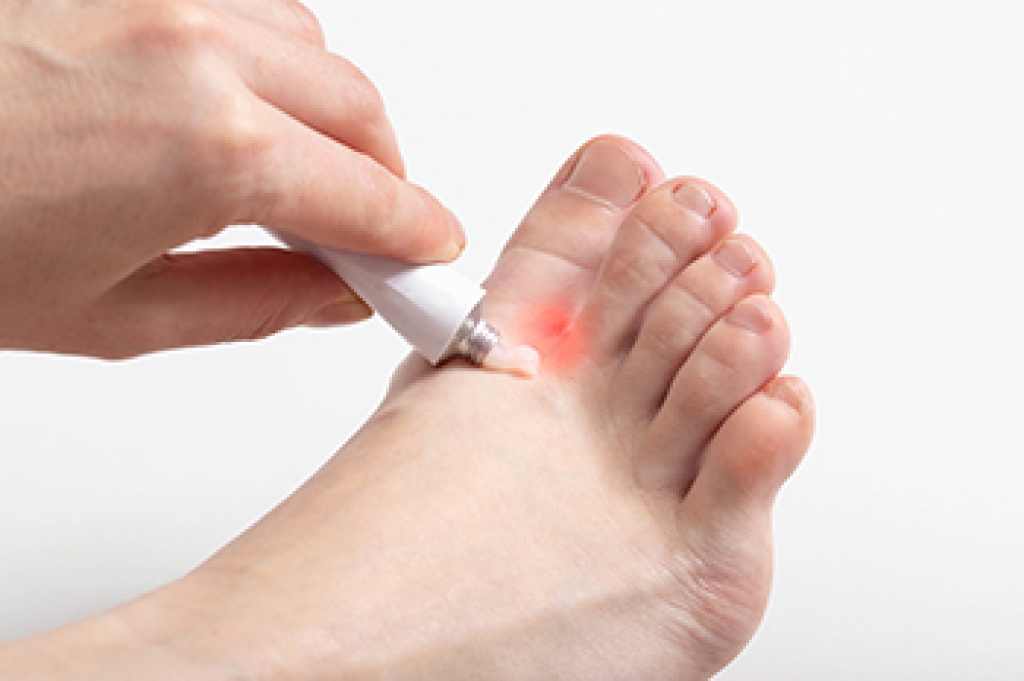
Athlete’s foot is a fungal infection that may cause an itchy rash as well as blistered or scaly skin between the toes. While athlete’s foot, medically known as tinea pedis, is not necessarily dangerous, it is highly contagious and can be uncomfortable. The fungus that causes athlete’s foot is mainly found in warm, moist conditions. These places include the inside of your shoes and socks after they have been worn for long periods and moisture has built up. Exposure to the athlete’s foot often takes place in public areas, such as swimming pools and gym locker rooms, where people are more likely to walk barefoot. The fungus can easily spread by sharing towels or clothing that has been infected. While several lotions, creams, and sprays for athlete’s foot are available, the chances of reinfection are high if the surrounding conditions don’t change. It is suggested that shower or pool slippers be worn while in these areas where the fungus thrives. If you have a particularly stubborn case of athlete’s foot, please consult a podiatrist for more advanced treatment options.
Athlete’s foot is an inconvenient condition that can be easily reduced with the proper treatment. If you have any concerns about your feet and ankles, contact one of our podiatrists from Kokomo Foot & Ankle Center. Our doctors will treat your foot and ankle needs.
Athlete’s Foot: The Sole Story
Athlete's foot, also known as tinea pedis, can be an extremely contagious foot infection. It is commonly contracted in public changing areas and bathrooms, dormitory style living quarters, around locker rooms and public swimming pools, or anywhere your feet often come into contact with other people.
Solutions to Combat Athlete’s Foot
Athlete’s foot can cause many irritating symptoms such as dry and flaking skin, itching, and redness. Some more severe symptoms can include bleeding and cracked skin, intense itching and burning, and even pain when walking. In the worst cases, Athlete’s foot can cause blistering as well. Speak to your podiatrist for a better understanding of the different causes of Athlete’s foot, as well as help in determining which treatment options are best for you.
If you have any questions please feel free to contact our office located in Contact Us . We offer the newest diagnostic and treatment technologies for all your foot and ankle needs.
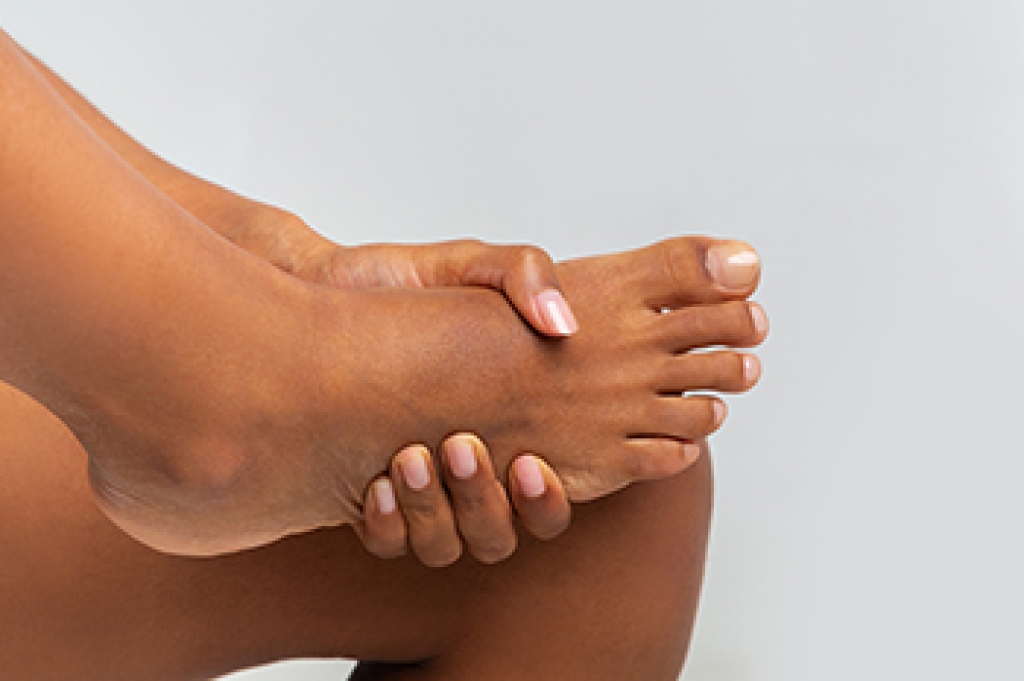
Stress fractures are a common occurrence among people who enjoy running. A stress fracture, also known as a hairline fracture, generally occurs due to excessive strain on the foot bones. Stress fractures may result from increasing speed or distance too quickly and can be a runner's worst nightmare. The number of stress fractures may be reduced when good running shoes are worn, in addition to stretching the feet before and after running. Many runners experience an emotional condition that is known as runner’s blues. This may happen from the inability to run as the healing process occurs. This can take several weeks, depending on how severe the fracture is. Many people choose to use crutches as this can help restore mobility. If you have foot pain, please consult a podiatrist who can determine if a stress fracture has occurred and can offer you treatment options.
Stress fractures occur when there is a tiny crack within a bone. To learn more, contact one of our podiatrists from Kokomo Foot & Ankle Center. Our doctors can provide the care you need to keep you pain free and on your feet.
How Are They Caused?
Stress fractures are the result of repetitive force being placed on the bone. Since the lower leg and feet often carry most of the body’s weight, stress fractures are likely to occur in these areas. If you rush into a new exercise, you are more likely to develop a stress fracture since you are starting too much, too soon. Pain resulting from stress fractures may go unnoticed at first, however it may start to worsen over time.
Risk Factors
Stress fractures do not always heal properly, so it is important that you seek help from a podiatrist if you suspect you may have one. Ignoring your stress fracture may cause it to worsen, and you may develop chronic pain as well as additional fractures.
If you have any questions please contact our office located in Contact Us . We offer the newest diagnostic and treatment technologies for all your foot and ankle needs.
Connect With Us
