
Your feet are covered most of the day. If you're diabetic, periodic screening is important for good health. Numbness is often a sign of diabetic foot and can mask a sore or wound.
Your feet are covered most of the day. If you're diabetic, periodic screening is important for good health. Numbness is often a sign of diabetic foot and can mask a sore or wound.
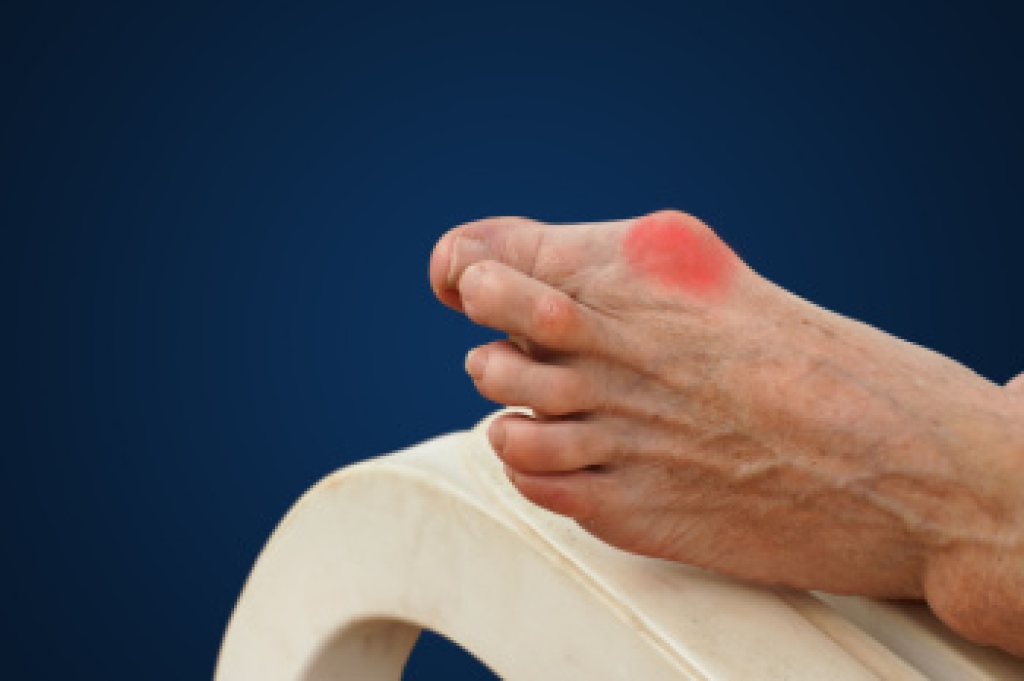
A bunion is a bony deformity that develops at the base of the big toe. The top of the toe points toward the smaller toes and the joint shifts outward. This structural change can lead to pain, inflammation, swelling, and difficulty wearing certain shoes. The misalignment may worsen and affect overall foot function. Causes include inherited foot structure, improper footwear, and abnormal pressure on the joint. Risk factors involve tight shoes, prolonged standing, and certain foot mechanics. A podiatrist can assess the severity of the bunion, recommend supportive footwear, provide custom orthotics, and suggest treatment to relieve discomfort and slow progression. If you have a bunion, it is suggested that you are under the care of a podiatrist who can help you to manage this condition.
If you are suffering from bunion pain, contact one of our podiatrists of Kokomo Foot & Ankle Center. Our doctors can provide the care you need to keep you pain-free and on your feet.
What Is a Bunion?
Bunions are painful bony bumps that usually develop on the inside of the foot at the joint of the big toe. As the deformity increases over time, it may become painful to walk and wear shoes. Women are more likely to exacerbate existing bunions since they often wear tight, narrow shoes that shift their toes together. Bunion pain can be relieved by wearing wider shoes with enough room for the toes.
Causes
Symptoms
In order to diagnose your bunion, your podiatrist may ask about your medical history, symptoms, and general health. Your doctor might also order an x-ray to take a closer look at your feet. Nonsurgical treatment options include orthotics, padding, icing, changes in footwear, and medication. If nonsurgical treatments don’t alleviate your bunion pain, surgery may be necessary.
If you have any questions, please feel free to contact our office located in Contact Us . We offer the newest diagnostic and treatment technologies for all your foot care needs.

Ankle replacement surgery is a procedure in which a damaged ankle joint is replaced with an artificial implant to restore function and reduce pain. It is typically performed by removing worn cartilage and bone, then positioning metal and plastic components to create a new joint surface that allows smoother movement. This surgery is often needed when severe arthritis causes lasting pain, stiffness, and limited mobility that does not improve with conservative care. These symptoms can interfere with walking and daily activities. A podiatrist can help by evaluating the condition, recommending appropriate treatment, and providing guidance before and after surgery. If ankle pain is affecting your quality of life, it is suggested that you consult a podiatrist who can discuss appropriate treatment solutions, which may include this type of foot surgery.
Foot surgery is sometimes necessary to treat a foot ailment. To learn more, contact one of our podiatrists of Kokomo Foot & Ankle Center. Our doctors will assist you with all of your foot and ankle needs.
When Is Surgery Necessary?
Foot and ankle surgery is generally reserved for cases in which less invasive, conservative procedures have failed to alleviate the problem. Some of the cases in which surgery may be necessary include:
What Types of Surgery Are There?
The type of surgery you receive will depend on the nature of the problem you have. Some of the possible surgeries include:
Benefits of Surgery
Although surgery is usually a last resort, it can provide more complete pain relief compared to non-surgical methods and may allow you to finally resume full activity.
Surgical techniques have also become increasingly sophisticated. Techniques like endoscopic surgery allow for smaller incisions and faster recovery times.
If you have any questions, please feel free to contact our office located in Contact Us . We offer the newest diagnostic and treatment technologies for all your foot care needs.
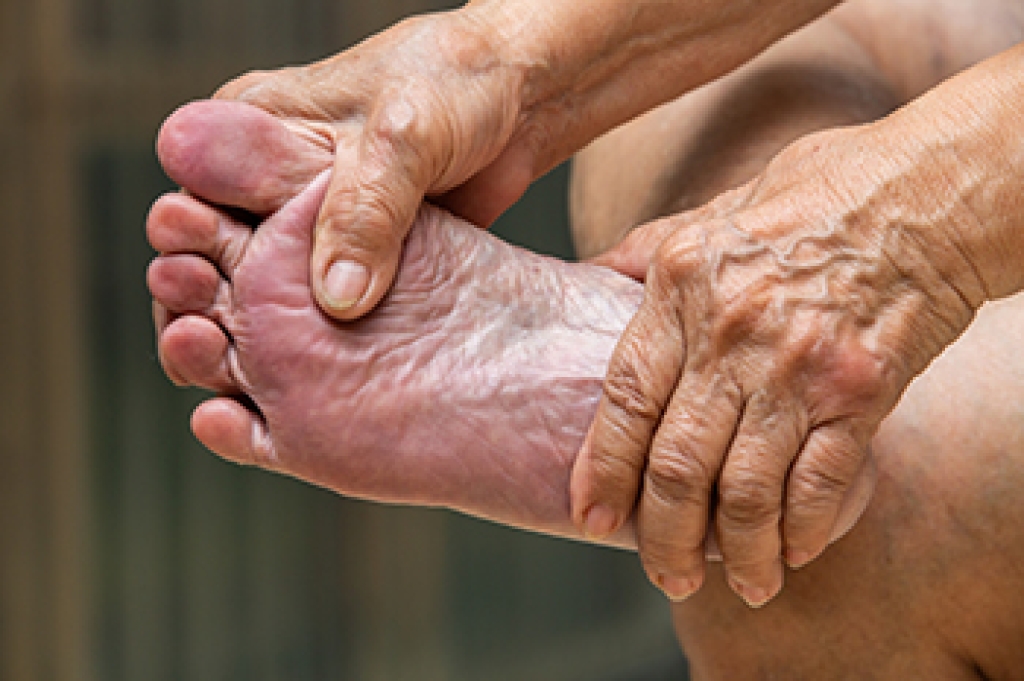
Heel and back-of-the-foot pain in older adults often develops due to age-related changes that affect the strength and flexibility of muscles and connective tissues. One common cause is strain of the plantar fascia, the band of tissue that supports the arch of the foot, which can lead to persistent heel pain. Risk factors include having high or low arches, wearing high heeled shoes, sudden weight gain, and a sedentary lifestyle that weakens supportive structures. These factors place added stress on the heel and surrounding areas, making movement uncomfortable. A podiatrist can diagnose the underlying cause, provide targeted treatments, and recommend supportive footwear and exercises. If you are elderly and have developed foot pain, it is suggested that you are under the care of a podiatrist who can provide effective relief and treatment solutions.
If you need your feet checked, contact one of our podiatrists of Kokomo Foot & Ankle Center. Our doctors will attend to all of your foot and ankle needs and provide you with quality treatment.
Geriatrics and Podiatry
When people age, some common issues that may occur are bone density loss, dry skin, poor circulation, and rough brittle nails. These issues may also affect your foot health if the necessary steps are not taken to alleviate the problems.
It is important to take care of your feet because feet that are injured or diseased can affect your overall health. Having painful feet hinders your ability to do daily activities or may decrease your willingness to do the things that you need to do.
Visiting Your Geriatrician
As we age, health problems become more likely, so it is essential to visit your doctor for check-ups to ensure that you are doing the best you can to take care of your health. It is recommended to check your feet frequently for any possible cuts, bruises, swelling, corns or any other irregularities.
Taking Care of Elderly Feet
Cracked or dry feet can be treated by applying moisturizer often. It is also important not to wear old socks because the older the sock is, the higher the possibility there will be that there is bacteria there. Wear fresh socks and make sure they fit properly.
Proper foot health means that you can have a more active lifestyle and you will not be bogged down by pain. Foot health also leads to good circulation, which is paramount for overall health.
If you have any questions, please feel free to contact our office located in Contact Us . We offer the newest diagnostic and treatment technologies for all your foot care needs.
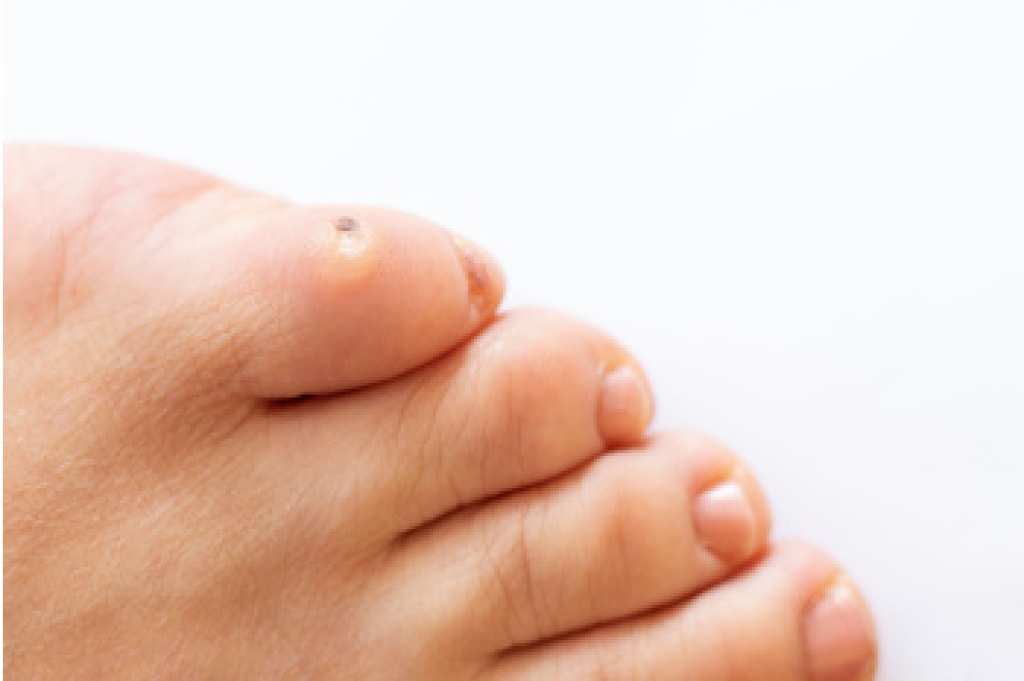
Corns are areas of thickened skin that develop on the feet due to repeated pressure or friction, often forming on the tops or sides of toes or on weight-bearing areas. They are usually small and round with a hardened center that can press into deeper tissue, causing discomfort or sharp pain when walking. Corns may look like raised, rough spots and can feel tender when direct pressure is applied. Common causes include tight or ill-fitting shoes, toe deformities such as hammertoes, and abnormal walking patterns that increase pressure in certain areas. A podiatrist can identify corns through examination and determine the underlying cause of the pressure. Treatment often includes careful trimming of the thickened skin, padding to reduce friction, and recommendations for proper footwear or orthotics. Addressing the source of pressure is key to preventing recurrence. If you have painful corns, it is suggested that you make an appointment with a podiatrist.
Corns can make walking very painful and should be treated immediately. If you have questions regarding your feet and ankles, contact one of our podiatrists of Kokomo Foot & Ankle Center. Our doctors will treat your foot and ankle needs.
Corns: What Are They? And How Do You Get Rid of Them?
Corns are thickened areas on the skin that can become painful. They are caused by excessive pressure and friction on the skin. Corns press into the deeper layers of the skin and are usually round in shape.
Ways to Prevent Corns
There are many ways to get rid of painful corns such as:
Treating Corns
Although most corns slowly disappear when the friction or pressure stops, this isn’t always the case. Consult with your podiatrist to determine the best treatment option for your case of corns.
If you have any questions, please feel free to contact our office located in Contact Us . We offer the newest diagnostic and treatment technologies for all your foot care needs.
Connect With Us
