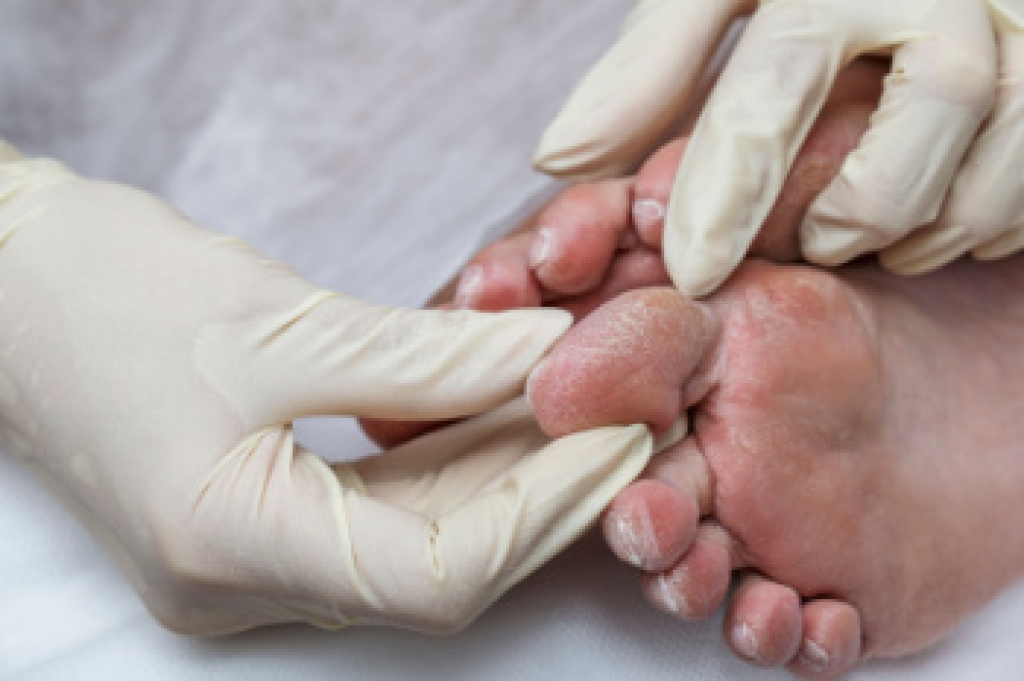
Diabetic foot complications are problems that affect the skin, nerves, bones, or soft tissues of the feet in people with diabetes. High blood sugar can contribute to peripheral neuropathy and poor circulation, making injuries harder to notice and slower to heal. Common symptoms include numbness, burning, swelling, or an open sore. Risk factors include poorly controlled blood sugar, previous ulcers, and circulation problems. Early screening is important because a small blister or cut can become a serious diabetic foot wound when treatment is delayed.
Diabetic foot management begins with regular screening and careful daily observation. A podiatrist may check protective sensation, circulation, and areas exposed to pressure. Wounds are also classified according to their depth, tissue involvement, and circulation status. The Wagner classification is commonly used to describe diabetic foot ulcers from superficial wounds through deeper ulcers that involve bone or extensive tissue damage. An accurate classification helps guide treatment decisions and follow-up.
When a diabetic foot wound is identified, a podiatrist examines its size, depth, and surrounding skin. Treatment may involve wound cleaning, pressure relief, and appropriate dressings. The podiatrist may also remove unhealthy tissue when necessary and recommend specialized footwear or off-loading devices to reduce pressure. If an infection is suspected, additional medical treatment may be required. Regular follow-up allows the wound to be monitored and treatment adjusted as healing progresses.
Preventing complications requires consistent foot care and professional monitoring. People with diabetes should avoid walking barefoot and promptly report new wounds, color changes, or drainage. Wearing proper footwear and routine podiatric examinations can reduce the risk of serious problems and support long-term foot health. If you have diabetes and notice changes in your feet, or have difficulty managing foot complications, it is suggested that you are under the care of a podiatrist who can help you to manage this serious condition.
Diabetic foot care is important in preventing foot ailments such as ulcers. If you are suffering from diabetes or have any other concerns about your feet, contact one of our podiatrists from Kokomo Foot & Ankle Center. Our doctors can provide the care you need to keep you pain-free and on your feet.
Diabetic Foot Care
Diabetes affects millions of people every year. The condition can damage blood vessels in many parts of the body, especially the feet. Because of this, taking care of your feet is essential if you have diabetes, and having a podiatrist help monitor your foot health is highly recommended.
The Importance of Caring for Your Feet
- Routinely inspect your feet for bruises or sores.
- Wear socks that fit your feet comfortably.
- Wear comfortable shoes that provide adequate support.
Patients with diabetes should have their doctor monitor their blood levels, as blood sugar levels play such a huge role in diabetic care. Monitoring these levels on a regular basis is highly advised.
It is always best to inform your healthcare professional of any concerns you may have regarding your feet, especially for diabetic patients. Early treatment and routine foot examinations are keys to maintaining proper health, especially because severe complications can arise if proper treatment is not applied.
If you have any questions, please feel free to contact our office located in Contact Us . We offer the newest diagnostic and treatment technologies for all your foot care needs.
