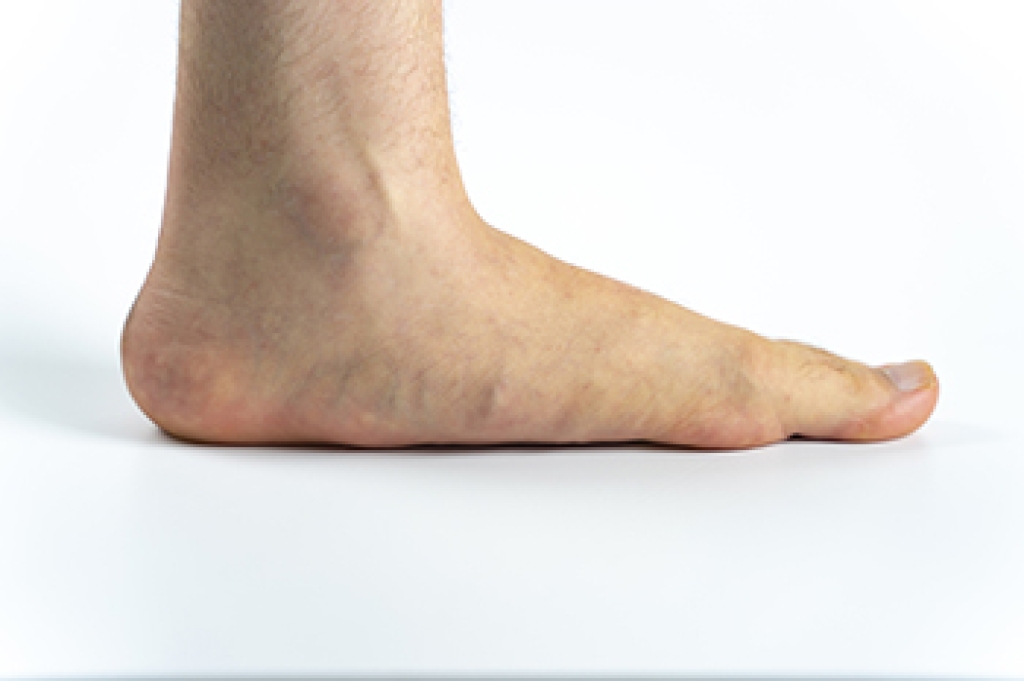
Flat feet occur when the arches along the inside of the feet are low or do not develop fully, causing much of the sole to touch the ground when standing. Some people have flat feet without discomfort, while others experience aching in the arches or pain around the heels and ankles. Flat feet may develop during childhood or appear later because of aging, injuries, or changes in the tendons supporting the arches. Risk factors include family history, excess body weight, and prolonged standing. Choosing appropriate footwear can help improve comfort, support natural movement, and reduce unnecessary strain during everyday activities.
When shopping for shoes for flat feet, look for designs that provide stable support without restricting natural foot movement. A supportive midsole can help distribute pressure more evenly, while a firm heel counter may improve stability around the back of the foot. Shoes should bend comfortably near the toes but should not twist excessively through the middle. Good arch support may also help reduce discomfort during walking or standing. However, the ideal level of support depends on your foot structure and symptoms. Shoes that feel comfortable and stable are generally a better choice than footwear selected by appearance alone.
A wide-fit shoe can provide extra room for the forefoot, allowing the toes to spread naturally without rubbing against the sides. Avoid narrow or pointed-toe shoes because they may squeeze the toes and increase pressure across the front of the foot. When trying on footwear, check that your longest toe has enough space and that your heel does not slip excessively. Shop later in the day when feet may be slightly larger, and wear the socks you usually use. Walk around before purchasing to make sure the shoes feel comfortable without pinching or creating pressure points.
If flat feet cause ongoing discomfort, a podiatrist can examine your arches, assess your walking pattern, and check for areas of tenderness or abnormal pressure. Treatment may include footwear recommendations, stretching guidance, or custom orthotics designed to support your feet. The podiatrist may also recommend imaging tests when an injury or structural problem needs further investigation. Early assessment helps identify contributing factors and prevent symptoms from interfering with daily activities. With suitable footwear and individualized care, many people with flat feet can remain comfortable and active. If you have flat feet, it is suggested that you consult a podiatrist for appropriate footwear choices.
Getting the right shoe size is an important part of proper foot health. Seek the assistance of one of our podiatrists from Kokomo Foot & Ankle Center. Our doctors will provide the care you need to keep you pain-free and on your feet.
Getting the Right Shoe Size
There are many people who wear shoes that are the incorrect size, negatively affecting their feet and posture. Selecting the right shoes is not a difficult process, so long as you keep several things in mind when it comes to choosing the right pair.
- When visiting the shoe store, use the tools available to measure your foot.
- Be sure there is ‘wiggle room’. There should be about an inch between your toes and the tip of your shoes.
- Do not always assume you are the same size, as manufacturers run differently.
- Purchase shoes later in the day, as your feet swell as the day progresses.
- If a shoe is not comfortable, it is not suitable. Most shoes can’t be ‘broken in’, and comfort should be the ultimate goal when it comes to choosing the right pair of shoes
As our feet hold our body weight and keep us moving, it is important to treat them right. Picking the right pair of shoes can provide your feet comfort and mobility without pain.
If you have any questions, please feel free to contact our office located in Contact Us . We offer the newest diagnostic and treatment technologies for all your foot care needs.
